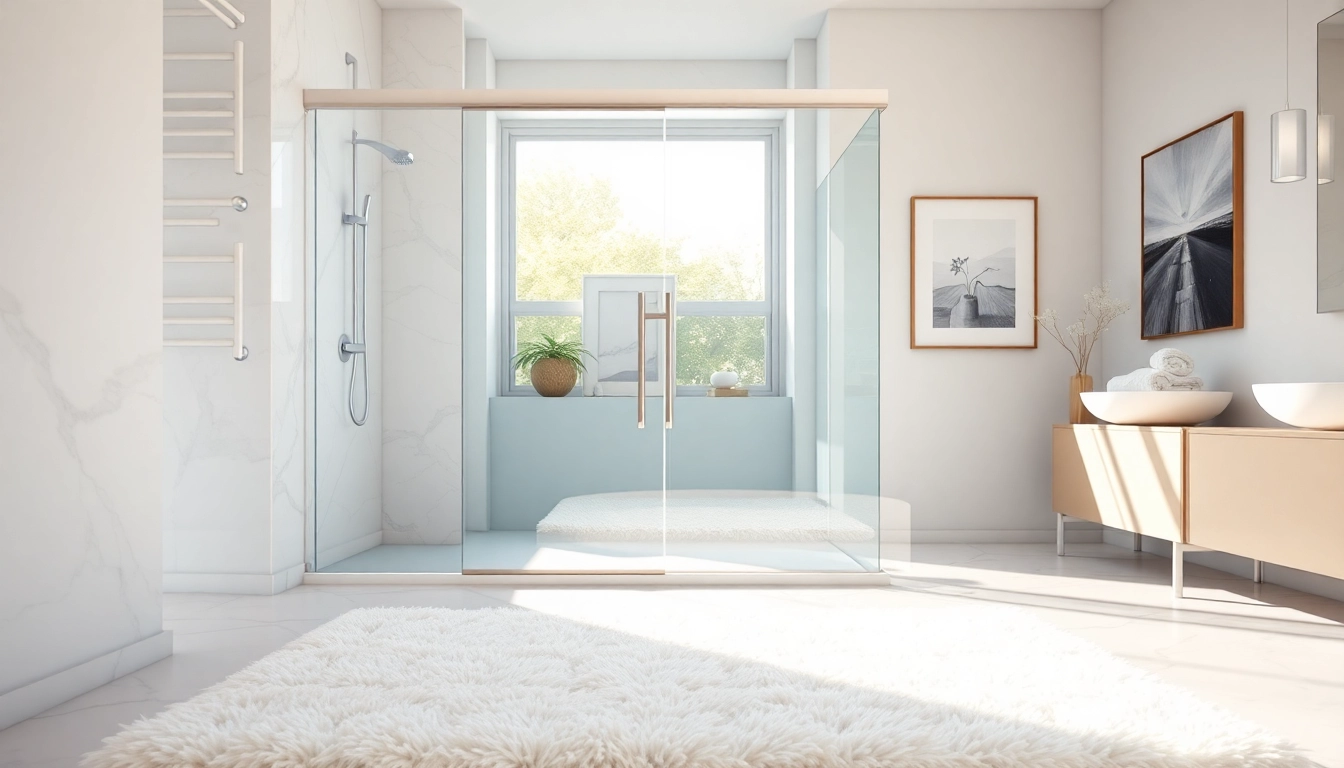
1. Understanding Shower Screen Sliding Door Features
Shower screen sliding doors combine functionality with an aesthetic appeal that can elevate any bathroom's design. Unlike traditional shower curtains, which can often appear outdated, these sliding doors provide a clean, modern look while ensuring that water remains within the shower enclosure. In this section, we will delve into their benefits, construction materials, and design variations to help you make an informed decision when considering a shower screen sliding door for your bathroom.
Benefits of Choosing a Shower Screen Sliding Door
One of the significant advantages of shower screen sliding doors is ease of use. Unlike hinged doors that swing open, requiring extra space, sliding doors operate on a track, allowing for a seamless entry and exit. This space-saving feature is particularly beneficial for smaller bathrooms where every inch matters.
Moreover, sliding doors are often more visually appealing. They offer a sleek, contemporary design that can enhance the overall aesthetic of your bathroom. These doors also provide a more significant barrier against water splashes than curtains, leading to a cleaner and safer bathroom environment.
Durability is another crucial aspect. Shower screen sliding doors are typically made from tempered glass, making them less susceptible to cracks and providing a longer lifespan compared to traditional shower curtains. Many models also come with a protective coating that resists stains and makes cleaning easier.
Common Materials Used in Construction
The majority of shower screen sliding doors are constructed from tempered glass, which has been heated and cooled to increase its strength. This glass is not only robust but also safe; if it breaks, it shatters into small, blunt pieces, reducing the risk of serious injury.
In addition to tempered glass, the frame of the door may be constructed from materials such as aluminum or stainless steel. Aluminum is lightweight and resistant to corrosion, making it an excellent choice for humid bathroom environments. Stainless steel, while heavier, offers enhanced durability and a luxurious finish.
Design Variations to Suit Any Bathroom Style
Shower screen sliding doors come in various designs, ensuring there is an option for every bathroom style, from ultra-modern to classic. Clear glass is popular for contemporary designs due to its minimalist aesthetic that creates a sense of openness.
Frosted or patterned glass options can provide additional privacy without sacrificing style. Furthermore, some sliding doors come with decorative trims or frames that can coordinate with your bathroom's fixtures and hardware, ensuring a cohesive look throughout your space.
2. How to Measure for Your Shower Screen Sliding Door
Measuring correctly is crucial for the successful installation of your shower screen sliding door. An accurate measurement ensures that the door fits perfectly into your bathroom space, preventing potential installation issues. Here, we break down essential tools, techniques, and common pitfalls to avoid.
Essential Tools and Techniques
To start, you will need a tape measure, a notepad, a pencil, and possibly a level to ensure that you're working with a square space. First, measure the width of the shower opening at the top, middle, and bottom. The narrowest point will determine the width of your sliding door.
Next, measure the height from the bottom of the threshold to the top of the opening. If your shower has a lip or a threshold, make sure you account for this in your measurements. Finally, ensure that you document each measurement carefully, as accurate numbers will directly influence your purchasing decision.
Common Mistakes to Avoid When Measuring
One common mistake is measuring only one section of the shower opening. Always check at multiple points to ensure that you're capturing the full range of dimensions, as walls can sometimes be uneven. Additionally, neglecting to account for any fixtures, like a showerhead or light fixture, can also lead to complications during installation.
How to Ensure a Perfect Fit
Once you have your measurements, double-check them to avoid any errors. Bringing your notes to your retailer can help them guide you towards the best shower screen sliding door options for your specific measurements. In some cases, custom sizes may be available if standard sizing does not meet your needs.
3. Installation Guide for Shower Screen Sliding Doors
Installing a shower screen sliding door can be a satisfying DIY project if done correctly. This section will provide you with a clear step-by-step guide to ensure a successful installation, as well as when to consider hiring a professional.
Preparing Your Bathroom for Installation
Before beginning installation, ensure the area is clean and clear of obstacles. Remove any existing doors or curtains and vacuum the floor to eliminate dust and debris. Additionally, gather all your tools and materials beforehand to ensure a smooth installation process.
Step-by-Step Installation Process
- Install the Track: Using the level, mark where the track will go. Attach it securely to the wall, ensuring it is straight.
- Attach the Rollers: Depending on your door type, attach the rollers to the top of the glass panel according to the manufacturer's instructions.
- Hang the Door: Lift the door into place by sliding the rollers into the track. Ensure that it opens and closes smoothly.
- Seal the Edges: Apply silicone sealant around the edges of the glass for water-tightness and a finished look.
- Test the Door: Open and close the door several times to ensure everything is functioning correctly.
When to Consider Professional Help
If you encounter any issues during installation, such as uneven walls or complex modifications, it may be wise to consult a professional. An expert can also help with custom measurements or configurations that aren’t standard, ensuring that everything fits perfectly and looks aesthetically pleasing.
4. Maintenance Tips for Longevity
To maintain your shower screen sliding door and extend its lifespan, regular cleaning and proper care are essential. Here we provide guidelines to keep your door in great condition.
Daily Cleaning Practices to Implement
After each shower, wipe down the glass with a squeegee to remove water spots and soap scum. This simple task can make a significant difference in reducing the frequency of deep cleaning. Use a mild, non-abrasive cleaner to cleanse the glass as needed; avoid harsh chemicals that could damage protective coatings.
How to Prevent Water Damage and Mold
For areas prone to excess water exposure, use caulk around the edges of the door and the tile or bathtub. Regularly check for signs of mold and mildew, particularly in the corners or seams, and clean them immediately with a suitable mold-removing solution.
Long-Term Care for Optimal Performance
Every few months, remove the doors and clean the tracks thoroughly, which can accumulate dirt and debris. Lubricating the rollers with a silicone spray once or twice a year will ensure smooth operation over time and prevent rusting in metal components.
5. Frequently Asked Questions About Shower Screen Sliding Doors
Can I install a shower screen sliding door on my own?
Yes, many homeowners can install a shower screen sliding door by following detailed guides. However, ensure you have the right tools and take accurate measurements for a perfect fit.
What are the best cleaning products for maintenance?
Use mild, non-abrasive cleaners and a soft cloth or squeegee to maintain your shower sliding door. Avoid vinegar or bleach, which can damage glass and frames.
How do I choose the right style for my bathroom?
Consider your bathroom's overall design and color scheme. Clear glass offers a modern touch, while frosted options provide more privacy without compromising style.
Are shower screen sliding doors water-resistant?
While the doors themselves are not "waterproof," the design prevents water from leaking outside the shower area when installed correctly, minimizing exposure to moisture.
What warranty options are available for these doors?
Warranty options vary by manufacturer but can include limited warranties covering defects in materials and workmanship. Always check the warranty details before purchasing.