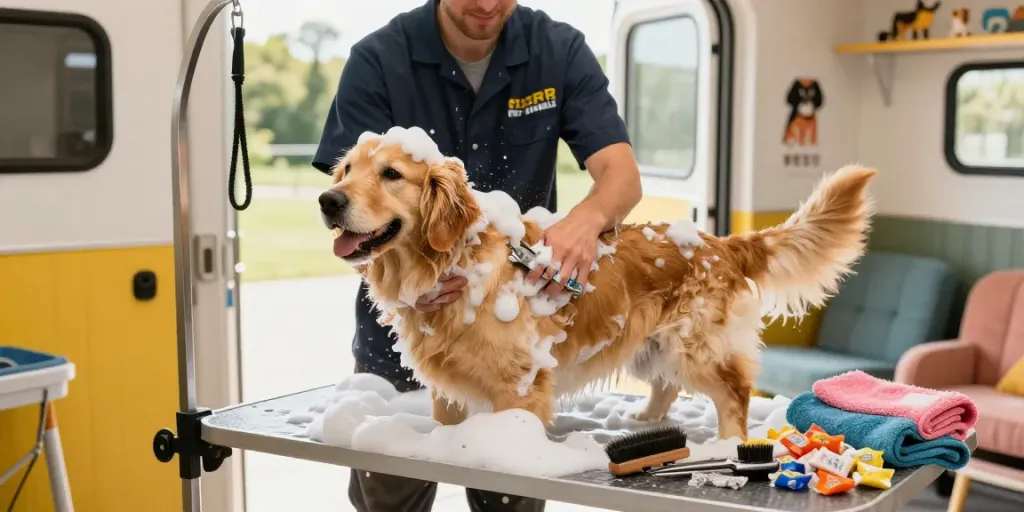
Understanding Bijou's Bill and Its Impact on Dog Grooming
As pet ownership continues to grow, so does the demand for high-quality grooming services. However, the grooming industry faces significant challenges, particularly regarding the lack of licensing requirements for groomers. In response, Bijou's Bill has emerged as a crucial piece of legislation aimed at enhancing the safety and quality of pet grooming. For those interested in understanding the nuances and implications of this law, https://www.bijousbill.com provides comprehensive insights into the ongoing efforts to regulate this vital sector of pet care.
What is Bijou's Bill?
Bijou's Bill, officially known as the Pet Grooming Licensing Act (bill A663), seeks to establish mandatory licensing for dog groomers in New Jersey. This legislation is a response to growing concerns over incidents of pet injuries and fatalities occurring in grooming facilities, highlighting a significant gap in regulatory oversight. The bill aims to protect pets by ensuring that groomers possess the necessary skills and knowledge to perform their jobs safely.
Historical Context of Pet Grooming Regulations
Historically, the pet grooming industry has operated with little to no regulation. Unlike professions such as veterinary medicine or human grooming services, dog grooming has not required licensure or formal training in most states. This lack of oversight has led to numerous reports of neglect and improper care within grooming facilities, prompting advocates like the creators of Bijou's Bill to push for legislative reform.
The Importance of Licensing in Pet Care
Licensing serves as a vital component in many professions, protecting consumers and ensuring a standard of service. For pet grooming, licensure would help guarantee that groomers have undergone necessary training in animal handling, health, and safety protocols. By establishing these standards, Bijou's Bill aims to reduce risks associated with grooming, thereby enhancing the overall safety of the pet care environment.
Key Features of the Proposed Grooming Standards
Mandatory Licensing Requirements for Groomers
Under Bijou's Bill, all dog groomers will be required to obtain a state-issued license. This mandate aims to standardize the qualifications needed to practice grooming, ultimately improving safety for both pets and groomers. The licensing process will include completion of a training program that covers essential skills such as proper handling techniques, first aid, and breed-specific grooming requirements.
Training and Certification Programs
The bill proposes the establishment of accredited training programs that groomers must complete to qualify for their licenses. These programs will focus on practical skills and theoretical knowledge, ensuring groomers are well-prepared to handle a variety of situations that may arise during grooming. Additionally, ongoing education will be mandated to ensure that professionals keep up with the latest techniques and safety standards.
Health and Safety Protocols for Pets
Bijou's Bill emphasizes the implementation of specific health and safety protocols in grooming facilities. These protocols will include guidelines for the proper sanitation of equipment and workspaces, as well as measures to monitor the health of pets in the groomer's care. By establishing these standards, the legislation aims to mitigate the risk of infections and other health issues associated with unregulated grooming practices.
Challenges in Implementing Bijou's Bill
Resistance from Industry Stakeholders
Despite the potential benefits of Bijou's Bill, there has been notable resistance from some within the grooming community. Opponents argue that licensing could create barriers to entry for aspiring groomers, thus limiting competition and increasing costs for pet owners. Advocates for the bill counter that the benefits of professional accountability and improved pet care far outweigh these concerns.
Addressing Concerns from Pet Owners
Many pet owners have expressed apprehension regarding the effects of licensing on grooming services. Some worry that the costs associated with licensing could be passed on to consumers, making grooming less accessible. Proponents of Bijou's Bill emphasize the long-term benefits of safer grooming practices, which will ultimately lead to increased consumer trust and satisfaction.
Logistical Issues in Regulation Enforcement
Enforcing the regulations set forth in Bijou's Bill poses its own set of challenges. Ensuring compliance among grooming facilities across diverse regions will require significant resources and oversight. The state will need to establish a framework for monitoring compliance, which may include regular inspections and a system for reporting violations.
Best Practices for Grooming Professionals
Staying Informed on Legislative Changes
For grooming professionals, staying informed about legislative changes related to Bijou's Bill is crucial. Groomers should regularly review updates and actively participate in discussions regarding the bill's implementation. Engaging with industry associations and attending workshops can also provide valuable insights into best practices and compliance requirements.
Building Trust with Clients Through Transparency
To foster trust and transparency with clients, grooming professionals should be proactive in their communication regarding new regulations and safety practices. Providing clients with information about licensing, training, and safety protocols can help alleviate concerns and reinforce the groomer's commitment to pet welfare.
Enhancing Skills Through Continuing Education
As the grooming industry evolves, so must the skills of its professionals. Continuous education is vital for groomers to stay abreast of emerging trends, safety protocols, and new techniques. This commitment not only enhances their skill set but also helps them maintain compliance with any future regulatory requirements established by Bijou's Bill.
The Future of Pet Grooming and Bijou's Law
Predictions for Grooming Standards in 2026
Looking towards 2026, it is expected that the standards for pet grooming will continue to evolve, largely influenced by legislation like Bijou's Bill. Increased emphasis on pet safety and well-being will likely result in more rigorous training and education requirements for groomers, alongside heightened consumer awareness regarding the importance of licensed services.
Long-Term Benefits of Effective Regulation
Effective regulation through Bijou's Bill has the potential to yield significant long-term benefits for the grooming industry and pet care as a whole. By ensuring groomers are properly trained and accountable, the legislation aims to reduce incidents of injury and death, thereby improving the overall reputation of the grooming profession.
How Pet Owners Can Advocate for Safer Grooming Practices
Pet owners play a crucial role in advocating for safer grooming practices. By voicing support for legislation like Bijou's Bill and demanding compliance with safety standards from groomers, they can contribute to a culture of accountability in the industry. Additionally, pet owners can educate themselves on what to expect from licensed groomers, empowering them to make informed decisions about their pets' care.
What are the key benefits of Bijou's Bill?
Bijou's Bill will provide several key benefits, including improved safety for pets, accountability among groomers, and standardized training across the industry. These benefits collectively aim to enhance the overall experience for both pets and their owners.
How will grooming standards affect pet safety?
The implementation of standardized grooming protocols is expected to significantly improve pet safety, as licensed groomers will be trained to recognize and respond to health issues, ensuring that pets receive the best possible care during grooming.
What can pet owners do to ensure compliance?
Pet owners can ensure compliance with Bijou's Bill by choosing to work only with licensed groomers and advocating for certification among their preferred grooming facilities. This vigilance helps maintain higher standards within the industry.
What examples exist of successful grooming regulations?
Several states have successfully implemented grooming regulations, leading to improved standards and increased safety in grooming practices. These examples can serve as a roadmap for the implementation of Bijou's Bill.
How can groomers prepare for licensing requirements?
Groomers can prepare for upcoming licensing requirements by seeking accredited training programs, enhancing their knowledge of animal care, and staying informed about legislative changes. By taking proactive steps, they can ensure compliance and foster a safe grooming environment for pets.