Understanding Online Audio Mastering
What is Online Audio Mastering?
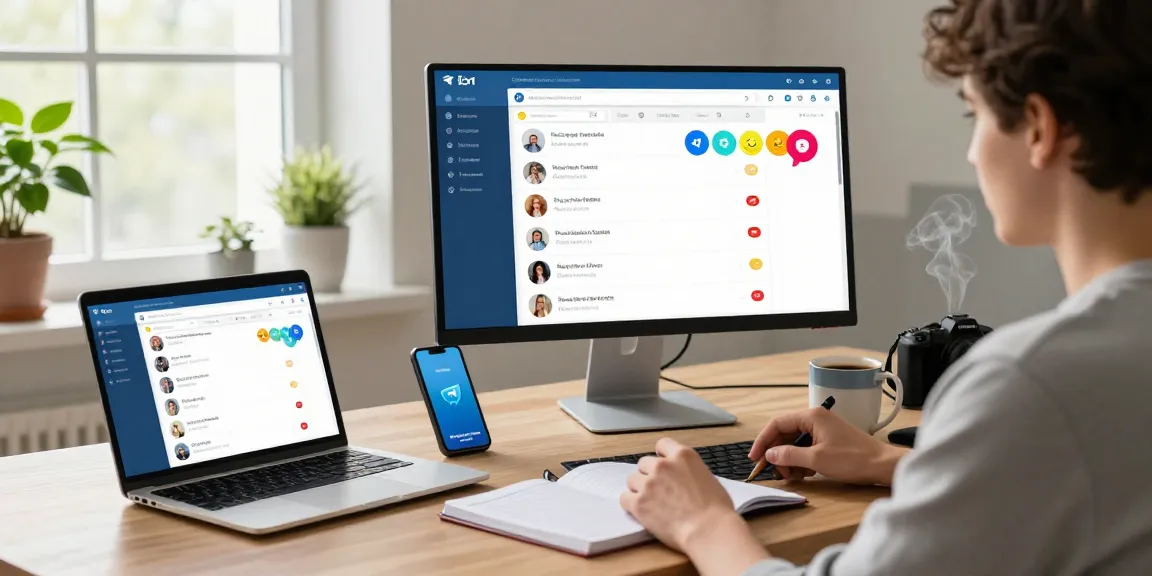
Online audio mastering is the final step in the music production process, where a track is enhanced and prepared for distribution. Through a series of technical processes applied to the mixed audio files, mastering ensures that music sounds great across all playback systems. Unlike the more traditional studio-based mastering, which often requires physical presence, online audio mastering allows artists to send their tracks digitally to mastering specialists who can apply their expertise remotely. This method has grown in popularity due to its flexibility, accessibility, and often lower costs. For those looking to improve their sound quality, engaging in online audio mastering can provide remarkable results without the need for in-person sessions.
The Importance of Mastering in Music Production
Mastering is crucial for the professional quality of any music release. It is the process that polishes the audio, ensuring it achieves the desired loudness levels, tonal balance, and stereo imaging. This is important because music that is not properly mastered can sound inconsistent and unprofessional, with variations in volume and clarity that can detract from the listening experience. Additionally, mastering prepares the music for specific formats, whether it be vinyl, download, or streaming, providing a consistent sound quality across different platforms and devices. It enhances the emotional impact of a track and can even influence its marketability.
How Online Audio Mastering Differs from Traditional Methods
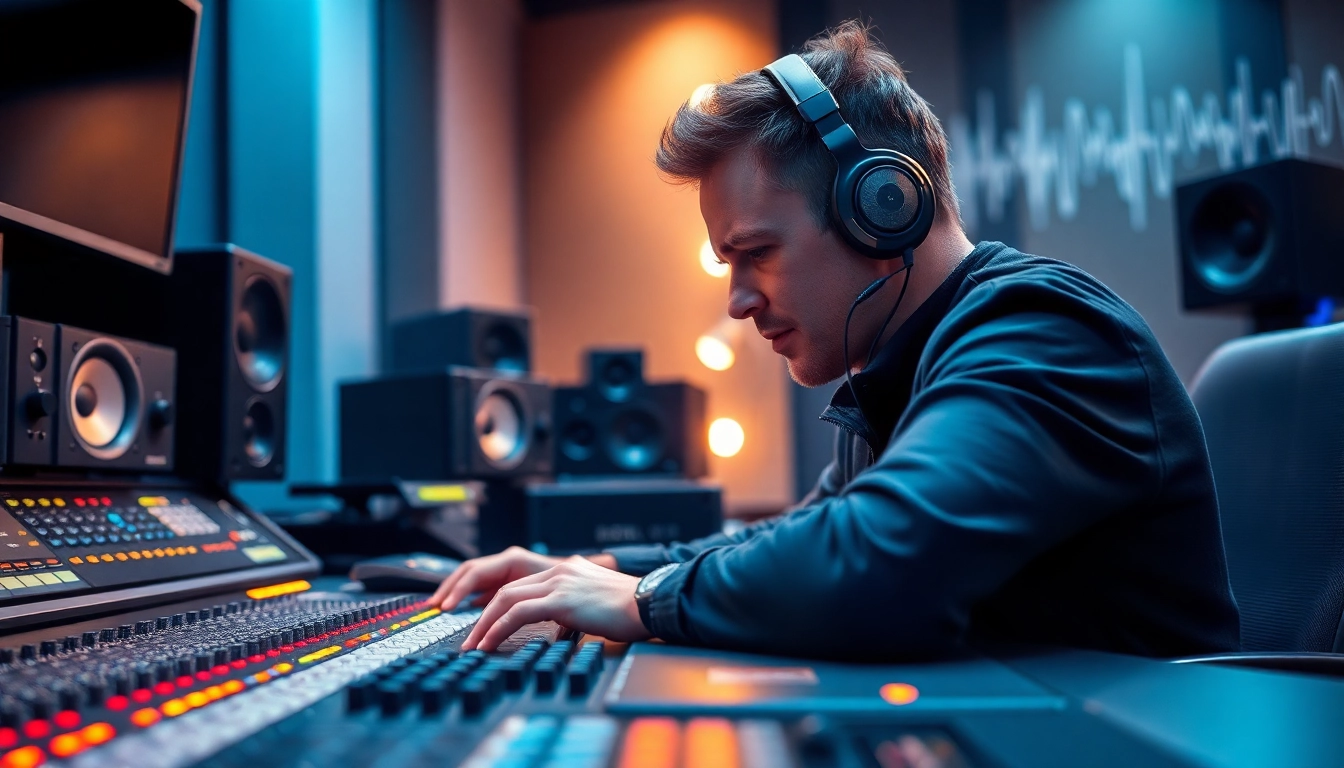
In traditional audio mastering, artists typically collaborate with a mastering engineer in a studio, which allows for real-time feedback and adjustments. This method often includes extensive use of high-end equipment and acoustically treated environments optimized for sound evaluation. Conversely, online audio mastering allows artists to work at their own pace. They can upload their tracks directly to a mastering service that employs expert engineers who work with advanced digital tools. Although there are differences in methodology, the end goal remains: to produce a polished track that sounds its best on any playback system. The decision between online and traditional mastering ultimately depends on the artist’s budget, timeline, and personal preference for collaboration.
Key Steps in Online Audio Mastering
Preparing Your Audio Files for Mastering
Before uploading audio for online mastering, ensure that your files are correctly formatted and prepared for the process. Here are several steps to consider:
- Export at High-Quality: Export your mix as a high-resolution uncompressed file, preferably in WAV or AIFF format, as these provide the best quality for mastering.
- Avoid Over-Processing: Ensure your mix is balanced without heavy compression or limiting, as you want to leave headroom for the mastering engineer to work with.
- Check Levels: Aim for an average level of -6 dB to -3 dB to prevent clipping during the mastering process.
- Include Metadata: If possible, provide important details such as song title, artist name, and any specific instructions the mastering engineer should follow.
By following these guidelines, you can set a solid foundation for the mastering process, leading to better results.
Tools and Software for Effective Mastering
The online audio mastering process relies on specialized software and tools that enhance the final product’s sound quality. Some popular software used by mastering engineers include:
- iZotope Ozone: This comprehensive suite includes tools for equalization, compression, and limiting, making it a favorite among mastering engineers.
- Waves Plugins: Waves offers various plugins specifically designed for mastering, allowing for detailed sound shaping.
- FabFilter Pro-L: Known for its precision, this limiter offers several modes to tailor the sound of the final track.
In addition to software, mastering engineers also rely on high-quality DAWs (Digital Audio Workstations), professional monitors, and acoustic treatment to ensure accurate sound reproduction during the mastering process.
Common Techniques Used in Mastering
Mastering involves several key techniques that can transform a good mix into a great track. Understanding these techniques can enhance your interactions with mastering engineers:
- Equalization (EQ): Used to balance frequencies, EQ ensures that no part of the audio spectrum is overpowering others, leading to a clear and coherent sound.
- Compression: This technique reduces the dynamic range of a track, ensuring softer sounds are more pronounced and avoiding sudden loud peaks.
- Limiting: A form of compression, limiting maximizes loudness without causing distortion, making the track suitable for competitive playback levels.
- Stereo Imaging: Adjusting the stereo field enhances the sense of space and depth in a track, ensuring a more immersive experience.
In combination, these techniques can significantly improve the listening experience and ensure your track stands out.
Finding the Right Online Audio Mastering Service
Factors to Consider When Choosing a Service
Selecting an online audio mastering service requires careful consideration of several factors to ensure you get the quality desired:
- Experience: Look for services with a track record of successful projects and experienced engineers who understand various music genres.
- Quality Assurance: Quality checks, like offering sample masters, can help assess the output before full commitment.
- Communication: Choose a service that provides clear communication and prompt feedback during the mastering process.
By assessing these factors, you can find a mastering service suited to your specific music and production needs.
Comparing Pricing Models and Features
Pricing for online audio mastering can vary widely based on the services offered and the engineers’ expertise. Here are common models to consider:
- Per Track Pricing: Many services charge a flat rate for the mastering of individual tracks, typically starting from around $25.
- Package Deals: Some services offer bundle deals for multiple tracks, which can reduce costs per song and offer better overall value.
- Subscription Models: Subscription services provide ongoing access to mastering for a monthly fee, which can benefit artists with regular releases.
Evaluating the features included in the price—such as revisions, turnaround time, and file formats supported—is essential to maximize value.
Reading Reviews and Client Testimonials
Reviews and testimonials can provide insight into the effectiveness of an online audio mastering service. Look for:
- Client Satisfaction: Positive feedback often highlights successful projects and satisfied customers.
- Response to Feedback: Reviews that mention how well the service communicates and adapts to client needs are valuable indicators.
- Portfolio Samples: Listening to samples of previously mastered tracks can give you an idea of the service’s style and capabilities.
Customers’ experiences can guide you in selecting the best service for your specific requirements.
Best Practices for Successful Online Audio Mastering
A/B Testing Your Mastered Tracks
A/B testing involves comparing two different versions of a mastered track to determine which sounds better. This technique can be useful for artists who want to evaluate different mastering options. It’s recommended to use:
- Consistent Listening Environment: Use the same audio equipment and listening conditions for both versions to ensure accuracy.
- Feedback from Peers: Gather opinions from fellow musicians or producers to gain diverse perspectives on the quality of the mastering.
- Take Breaks: Allow your ears time to rest between listens to avoid fatigue, which can skew judgment.
Through A/B testing, you may discover subtleties in dynamics and balance that can help refine your final decision.
Continuous Learning and Skill Improvement
Mastering audio is a craft that benefits significantly from ongoing education. To improve your skills, consider:
- Online Courses: Many platforms offer courses focused on mastering, covering techniques and software use.
- Workshops and Webinars: Engaging in live sessions with industry professionals can provide real-time learning opportunities.
- Networking with Pro Engineers: Collaborating with experienced engineers and getting feedback on your work can accelerate your learning.
Investing in education helps you stay up-to-date with industry practices and technology, ultimately elevating your craft.
Collaborating with Other Musicians and Engineers
Collaboration can enhance the quality of your music and provide opportunities for growth. Here are strategies for successful collaboration:
- Seek Feedback: Sharing your tracks with fellow musicians can unveil new perspectives and constructive criticism.
- Participate in Studio Sessions: Working alongside experienced engineers and producers can provide invaluable insights into advanced techniques and workflows.
- Network at Industry Events: Attend music conferences and workshops to build relationships with potential collaborators.
Through collaboration, you can leverage collective expertise to improve your mastering results and broaden your creative horizons.
Frequently Asked Questions about Online Audio Mastering
How Long Does the Mastering Process Take?
Typically, it can take anywhere from a few hours to a few days based on the complexity and workload of the mastering engineer.
Can I Master My Own Music?
Yes, many artists choose to DIY their mastering, but it requires a good understanding of acoustics and mastering tools.
What Formats Do You Need for Mastering?
WAV and MP3 formats are commonly accepted, but providing high-quality WAV files is recommended for the best results.
Is Online Mastering as Good as In-Person Mastering?
Online audio mastering can achieve high-quality results when using reputable services with experienced engineers.
What is the Cost of Online Audio Mastering?
Prices can range widely, often starting at around $25 per track, depending on the service level and engineer’s expertise.