Understanding the Pergola Configurator
In the evolving landscape of outdoor design, the demand for personalized and functional outdoor spaces is at an all-time high. A pergola configurator is an innovative tool that empowers homeowners and designers alike to create unique pergola designs tailored to individual preferences and requirements. By allowing users to visualize their projects in real-time, these configurators help bridge the gap between concept and reality, making the design process more efficient and enjoyable. When exploring options, pergola configurator tools provide comprehensive insights into various designs, materials, and styles.
What is a Pergola Configurator?
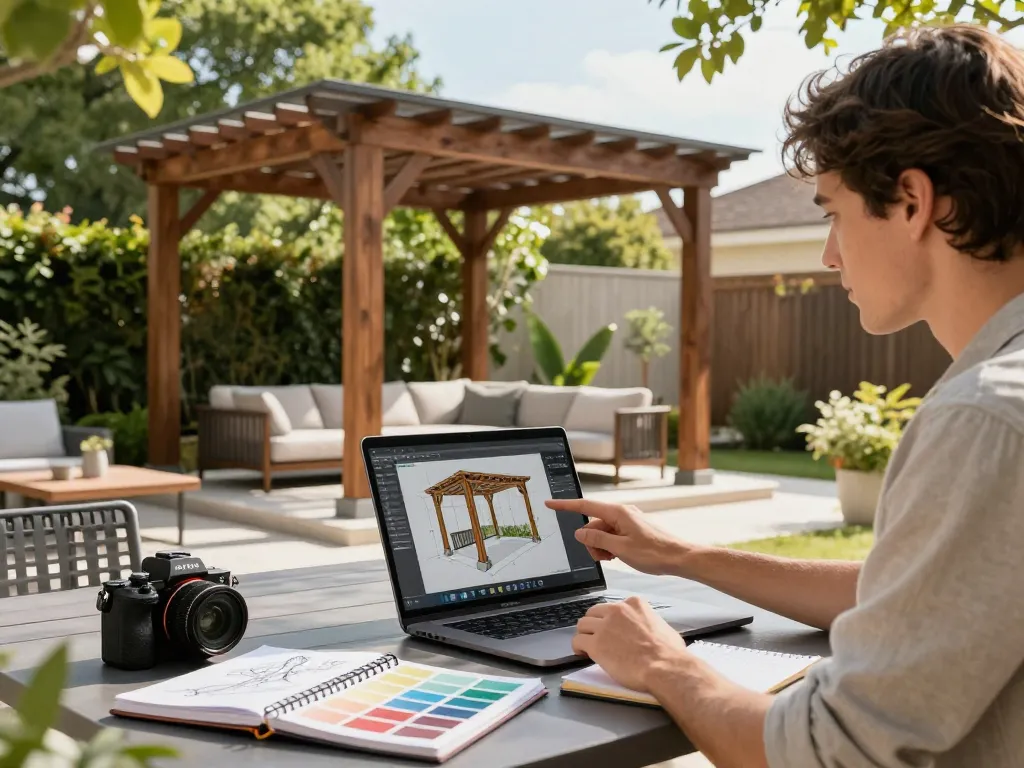
A pergola configurator is an online or software-based tool designed to simplify the pergola design process. By allowing users to select dimensions, materials, colors, and styles, these configurators enable a high degree of customization. The user interface typically features an intuitive layout where individuals can interactively build their ideal pergola. This technology is especially beneficial for those who may lack design expertise, making it accessible for DIY enthusiasts and professionals alike.
Key Features of Online Configurators
- 3D Visualization: Users can view their pergola in a three-dimensional format, allowing for a realistic representation of how it will complement their outdoor space.
- Material Selection: Configurators often provide information about various materials, enabling users to choose from wood, aluminum, or vinyl options, each with distinct characteristics and aesthetics.
- Style Options: Users can select from an array of styles, including traditional, modern, and bioclimatic designs, ensuring alignment with their home’s architectural style.
- Real-time Pricing Estimates: Many configurators include cost estimation features, giving users a clear understanding of their budget as they experiment with different designs.
Benefits of Using a Pergola Configurator
The advantages of utilizing a pergola configurator extend beyond mere aesthetics. Firstly, these tools significantly reduce the risk of design errors, allowing users to see how their choices impact the overall look. Secondly, they enhance decision-making, as users can compare various materials and styles side by side. Lastly, the configurator serves as a valuable educational resource, helping users learn about design principles and construction dynamics.
Choosing the Right Materials and Styles
Popular Pergola Materials Explained
When it comes to selecting materials for a pergola, it’s essential to consider both durability and design aesthetics. Common options include:
- Wood: A classic choice, wood offers natural beauty and versatility. Cedar and redwood are popular due to their resistance to decay, but they require regular maintenance.
- Aluminum: For those seeking a low-maintenance option, aluminum pergolas are lightweight, durable, and resistant to rust, making them ideal for various climates.
- Vinyl: Another low-maintenance alternative, vinyl pergolas can mimic the look of wood while offering greater weather resistance.
- Composite Materials: Comprising a mix of wood and plastic, these materials provide the aesthetic appeal of wood with added durability and lower upkeep.
Design Styles to Consider
Designing a pergola isn’t just about function; it’s also about creating an appealing outdoor space. Here are some popular styles:
- Traditional: Features classic columns and slatted roofs, often made of wood, providing a timeless look.
- Modern: Characterized by sleek lines and minimalist designs, often using aluminum or composite materials for a contemporary feel.
- Bioclimatic: These pergolas come equipped with adjustable louvers, allowing for optimal sun control and ventilation, perfect for adapting to changing weather conditions.
Balancing Aesthetics with Durability
While aesthetics are crucial in pergola design, ensuring that the selected materials can withstand environmental factors like wind, rain, and sun exposure is equally important. When designing, consider local climate conditions to select materials that not only meet your design preferences but also offer longevity and resilience.
Step-by-Step Guide to Configuring Your Pergola
Setting Up the Configurator
Initiating the design process begins with accessing the configurator, typically found on a manufacturer’s website or specialized design platform. Here, you will be prompted to input basic information, such as the intended location for your pergola, which will assist the software in generating tailored recommendations.
Customization Options Available
After initialization, users can modify various features, including:
- Dimensions: Input the length, width, and height based on available space.
- Color: Choose from a palette of colors to match your home’s exterior.
- Roof Selection: Decide between solid, louvered, or retractable roof options based on your desired level of shade and shelter.
Finalizing Your Design and Order
Once satisfied with the design, the final step involves reviewing all options and placing the order. Many configurators will offer a summary of the selected features, including pricing and estimated delivery time, allowing users to make informed decisions before committing.
Common Mistakes to Avoid in Pergola Design
Ignoring Local Regulations and Codes
Before breaking ground, it is crucial to research local zoning laws and building codes related to pergolas. Failure to comply can lead to fines or necessitate redesigns.
Overlooking Practical Functionality
While aesthetics are important, focus on how the pergola will be used. Consider factors such as accessibility, shade, and integration with existing outdoor furniture and features.
Not Utilizing 3D Visualization Tools
Many users underestimate the value of 3D visualization. Utilizing these tools can prevent costly design errors and help clarify the overall appearance in relation to your outdoor space.
Future Trends in Pergola Design and Configuration
Emerging Technologies in Design Software
The future of pergola design is poised for transformation with advancements in augmented reality (AR) and virtual reality (VR) technologies. These tools may allow users to immerse themselves in 3D environments, experiencing their design choices in a realistic setting before making any investments.
Environmental Considerations for 2026
As sustainability becomes a focal point in architecture and design, pergola configurators are likely to incorporate more eco-friendly materials and practices. Expect to see options that emphasize energy-efficiency, such as solar panel integration or materials sourced from sustainable forests.
Personalization Trends in Outdoor Spaces
Customization will continue to trend as users seek unique designs that reflect their personal style. Expect configurators to offer more features that allow for intricate detailing, such as decorative end caps or integrated lighting solutions.
What features should I look for in a pergola configurator?
When selecting a pergola configurator, consider the ease of use, range of customization options, 3D visualization capabilities, and integration with purchasing and installation services.
Are there free options for pergola configurators?
Many pergola configurators offer free basic versions, although they may limit certain features or require a subscription for advanced tools. Always check for availability and trial options before committing.
How can I visualize my pergola design before purchase?
Most modern configurators feature 3D visualization tools that allow users to view their designs in real-time. Some may even provide augmented reality capabilities to see how the pergola fits into your actual space.
What materials are best for durability in outdoor pergolas?
Aluminum and treated wood are often regarded as the most durable options for outdoor pergolas due to their resistance to weather-related wear and tear. Composite materials also offer an excellent balance of longevity and visual appeal.
Can I integrate smart technology into my pergola design?
Absolutely! Many pergola designs can now incorporate smart technology, such as automated shade controls or ambient lighting systems, offering convenience and enhancing the outdoor experience.